
If your air conditioner is running but not cooling, start with two things: the thermostat mode and the air filter. Those two culprits fix most calls we get. Set the thermostat to Cool with the fan on Auto, check the filter for light blockage, and clear debris from around the outdoor unit. If you spot ice on the indoor coil, hear hissing, smell burning, or the breaker keeps tripping, stop troubleshooting and call a licensed technician.
TL;DR:
- Most airflow restrictions causing air conditioning failure stem from a dirty filter, blocked outdoor coils, or incorrect thermostat settings, not refrigerant issues.
- Checking and replacing filters, ensuring outdoor unit clearance, and verifying thermostat mode resolve the majority of common cooling problems without professional help.
- If the indoor coil is frozen or refrigerant lines are iced, the root cause is usually airflow restriction, and running the system can cause further damage until it thaws.
- Persistent issues like failed capacitors, low refrigerant, or electrical faults require technician intervention, as these involve safety risks and complex diagnostics.
- Regular maintenance, including filter changes and seasonal tune-ups, prevents most emergency calls for warm air and extends system lifespan.
Table of Contents
- Common Reasons Your AC Runs but Won't Cool
- Your Homeowner Troubleshooting Checklist
- When to Stop Troubleshooting and Call a Pro
- Keeping Your AC From Failing Again
- What We See on Service Calls Across New Mexico
- The Real Lesson in Most AC Calls
- Get Your Cooling Fixed Right the First Time
- Sources
- FAQ
Common Reasons Your AC Runs but Won't Cool
Most cooling failures trace back to a short list of causes, and they don't strike with equal frequency. Start with the cheap, easy checks before assuming something expensive broke.
Thermostat mode and fan settings. A thermostat set to "Fan On" instead of "Auto" keeps air moving through the ducts around the clock, even when the compressor isn't running. That feels like warm air blowing from every vent, but it's really just circulation with no cooling behind it. Check that the system is set to Cool, the fan is on Auto, and the setpoint is actually a few degrees below room temperature. It sounds too simple to be the answer, but it explains a surprising share of "my AC not cooling" complaints we hear.
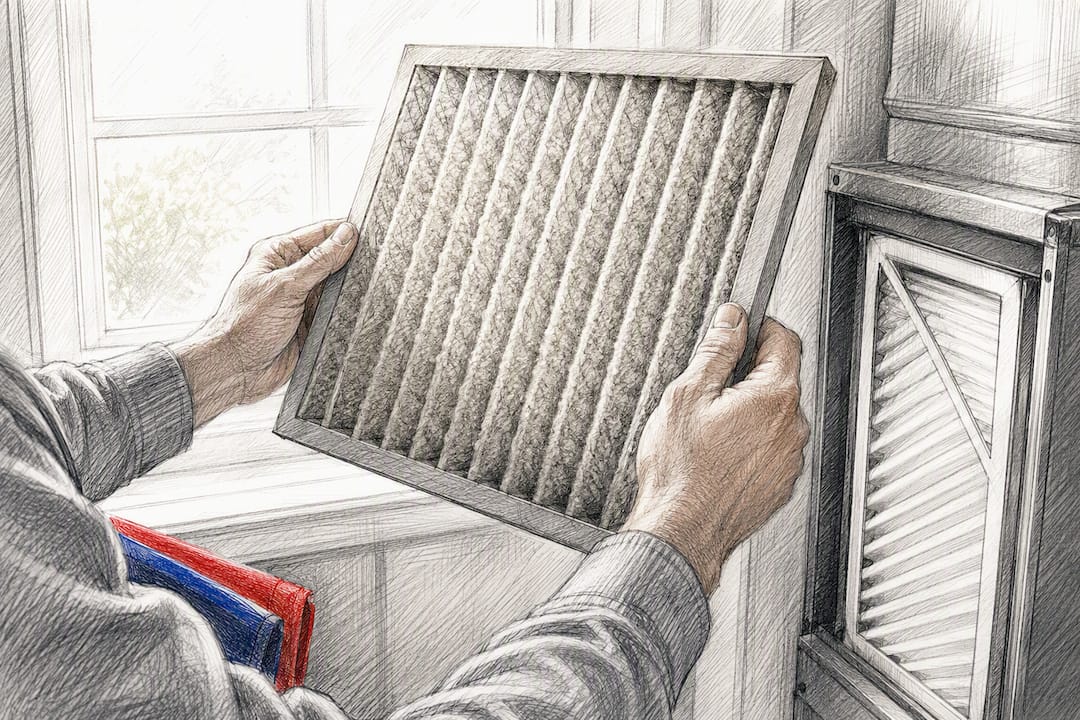
A dirty or clogged air filter. A filter loaded with dust starves the system of airflow. Less air moving across the indoor coil means less heat gets carried away, and the coil can eventually ice over from the inside out. Hold the filter up to a light. If you can't see light through it clearly, replace it.
A blocked or dirty outdoor condenser coil. The outdoor unit needs open airflow to dump heat from your home into the outside air. Grass clippings, cottonwood fluff, leaves, and mulch buildup around the cabinet choke that exchange. Keep at least two feet of clearance on all sides, and rinse the fins gently with a garden hose (never a pressure washer, which bends the delicate metal).
A frozen evaporator coil. This is a symptom, not a root cause. Ice on the indoor coil almost always points back to restricted airflow, whether from a dirty filter, closed vents, or a failing blower motor. Trane's troubleshooting guidance is direct on this: shut the system off and let the coil thaw completely before you try anything else, because running a compressor against a block of ice risks real damage. Inspectapedia's diagnostic notes back this up, tracing most coil icing back to airflow restriction rather than a refrigerant problem.
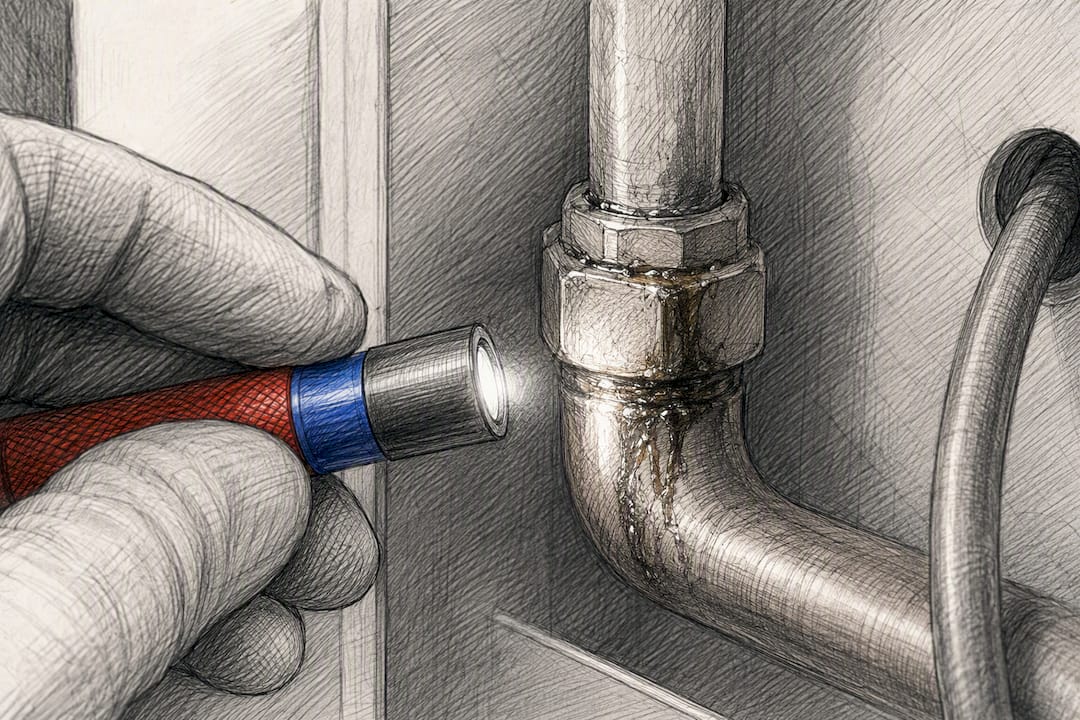
Refrigerant leak or low refrigerant. A hissing sound near the lines, oily residue at fittings, or cooling that gradually gets worse over weeks can point to a slow leak. This is not a homeowner fix. Refrigerant is federally regulated, and only an EPA-certified technician can legally recover, test, and recharge it.
Electrical failures and compressor trouble. If the outdoor fan hums but doesn't spin, or the unit clicks and shuts off, a failed run capacitor is a common suspect. Capacitor swaps are inexpensive compared to a compressor replacement, but they involve stored high voltage and belong to a licensed technician. Left alone too long, a weak capacitor can strain the compressor until it fails outright, turning a small repair into a major one.
An undersized system, high heat gain, or leaky ductwork. Sometimes nothing is broken. The system just can't keep up with the home's heat load on a 100 degree afternoon, especially with poor attic insulation, unshaded west-facing windows, or ducts leaking cooled air into a hot attic. If your AC runs constantly and never quite catches up, sizing or ductwork may be the real issue.
Your Homeowner Troubleshooting Checklist
Work through these steps in order. Most homeowner calls involving simple fixes get resolved right here, using the same sequence field technicians rely on before assuming something expensive has failed.
- Set the thermostat to Cool and the fan to Auto, then drop the setpoint 5°F below the current room temperature. Wait 5 to 10 minutes and see if air coming from the vents feels colder.
- Pull the air filter and hold it up to a window. If light barely passes through, replace it. Note the date so you remember when you last changed it.
- Walk the house and check every supply and return vent. Closed doors and shut vents restrict airflow more than people expect. Closing vents to "save energy" actually raises system pressure and can push a marginal system toward a frozen coil.
- Inspect the outdoor unit. Clear leaves, grass, and debris within two feet, check for bent fins, and listen for both the fan and compressor running. A humming unit with a fan that won't spin usually points to a capacitor.
- Check the breaker panel and the outdoor disconnect. If a breaker tripped, reset it once. If it trips again immediately, stop. Repeated tripping is an electrical fault, not a fluke.
- If you see ice on the indoor coil or refrigerant lines, shut the system off completely, set the fan to run alone so it can help thaw the coil, and place towels to catch meltwater. Swap the filter before you restart anything.
- Take a simple delta-T reading. Hold a thermometer at a return vent, then at a supply vent near the same room. A healthy system typically shows a supply-to-return difference around 14°F. A gap of just a few degrees is useful information to hand a technician, even if you can't fix the problem yourself.
Pro Tip: Write down whatever the delta-T reading shows, along with any noises or ice you noticed. A homeowner call that starts with "supply air was only 4 degrees cooler than return" gets diagnosed faster than one that starts with "it's just not cold."
Homeowner-level checks resolve a real slice of "AC running but not cooling" calls, but electrical faults and refrigerant problems still make up a large share of the emergency visits technicians see, which is exactly why the ordered checklist above matters: it filters out the easy fixes first.
When to Stop Troubleshooting and Call a Pro
Some symptoms mean it's time to put the screwdriver down. A burning smell, visible smoke, a breaker that trips more than once, or oily residue and hissing near the refrigerant lines are not homeowner projects. Ice that won't thaw after several hours with the system off and fan running also signals something beyond a dirty filter.
Refrigerant work is federally regulated, and capacitor or compressor repairs involve stored high voltage capable of a serious shock even with the power off. A technician who tells you "don't touch that" isn't being dramatic. Both jobs require licensing and specialized tools for a reason.
When a technician arrives, they typically work through a sequence similar to your own checklist, just with instruments you don't have at home:
- Breaker, disconnect, and contactor inspection for electrical continuity
- Capacitor testing and compressor amperage draw
- Refrigerant pressure readings at the service ports
- Coil condition, both indoor and outdoor
- Duct static pressure and leak checks
- A precise delta-T measurement to confirm the fix worked
This ranked approach mirrors the probability-ordered decision tree many field techs follow, which starts with the cheap, common failures before moving to the expensive, rare ones.
Keeping Your AC From Failing Again
Most emergency cooling calls trace back to skipped maintenance, not bad luck. A little routine attention beats a hot Saturday spent waiting on a service truck.
- Change the filter regularly during cooling season, more often if you have pets or run the system constantly. A pleated filter usually balances airflow and dust capture better than the cheapest fiberglass option.
- Schedule an annual tune-up that includes coil cleaning, capacitor testing, refrigerant pressure verification, and a clear condensate drain. Catching a weak capacitor in April beats replacing a burned-out compressor in July.
- Check outdoor clearance each spring and watch the condensate line for slow drips or standing water, both early signs of a clog.
- Address heat gain where you can. Shading the outdoor unit, sealing obvious duct leaks, and adding attic insulation all reduce the load your system fights against. If your home has always struggled to stay cool no matter what you fix, the system itself may be undersized for the space.
Pro Tip: Move your thermostat's setpoint gradually, not in one big jump. Dropping from 78°F to 68°F all at once doesn't cool the house faster, and it puts extra strain on a system that's already working hard in the heat.
What We See on Service Calls Across New Mexico
After more than 37 years working on homes across New Mexico, our technicians follow a consistent order when a customer calls about warm air: check power and electrical components first, inspect the outdoor unit for debris or fan issues, verify airflow and filter condition, test refrigerant pressure only if the earlier steps don't explain the symptoms, and finally inspect ductwork if the system checks out mechanically but still can't keep the house cool.
You can speed up your own service visit by having a few details ready before the technician arrives:
- Whether you saw ice on the indoor coil or lines
- Any humming, clicking, or grinding sounds from the outdoor unit
- Whether a breaker tripped, and how many times
- Anything that changed recently, like a new thermostat, a filter swap, or nearby construction dust
We built our approach around direct communication with local homeowners instead of routing calls through automated phone trees, because a five minute conversation about what you noticed often saves a return trip.
The Real Lesson in Most AC Calls
The conventional advice on a warm AC jumps straight to refrigerant, and that's backwards. Restricted airflow, not a slow leak, explains the majority of frozen coils and weak cooling we're called out for. A recharge on a system that just needed a filter change doesn't fix anything. It masks the symptom for a few weeks and costs the homeowner money they didn't need to spend.
The checklist in this guide isn't padding. It's the same order of operations a technician runs through mentally before touching a gauge. Thermostat, filter, outdoor clearance, breaker, then instruments. Skipping straight to "it probably needs Freon" is how homeowners end up paying for parts they never needed.
What actually moves the needle is unglamorous: change the filter on schedule, keep two feet of clearance around the condenser, and get a tune-up before the first heat wave, not during it. The homeowners who call us the least are the ones who never let small issues sit long enough to become expensive ones.
— Aaron Waller - GM
Get Your Cooling Fixed Right the First Time
Professional technicians can provide exact diagnoses before beginning repairs, avoiding guesswork and unnecessary expenses. When the checks above don't solve it, our team runs the same probability-ordered diagnostic our techs use every day, starting with the cheap fixes before ever discussing refrigerant or compressor work.

If your filter is clean, your vents are open, and the outdoor unit is still struggling to keep your house cool, the problem is likely mechanical or electrical, and experienced technicians can help identify the issue. Whether it turns out to be a capacitor, a duct leak, or a system that's simply outgrown your home, technicians can guide you through the fix in plain language, avoiding automated phone systems. If your cooling struggles point toward a system that can't keep up no matter what gets repaired, our HVAC installation team can talk through replacement options sized correctly for your home. Ready to get it looked at? Schedule a service visit and we'll get a technician out to diagnose it right the first time.
Sources
For readers who want to dig into the technical side, these resources back the diagnostic steps in this guide:
- Trane — Evaporator coil is frozen (troubleshooting)
- Inspectapedia — Cooling coil / evaporator coil problems (diagnosis & repair)
- Venta HVAC — AC running but not cooling (diagnostic decision tree)
- Lucas Air Conditioning and Heating — AC Not Cooling? Try This Homeowner Checklist First
FAQ
Why is my AC running but not cooling the house?
The most common causes are a wrong thermostat mode, a clogged filter restricting airflow, or a dirty outdoor condenser coil blocking heat exchange. A frozen evaporator coil, low refrigerant, or a failed capacitor are less common but more serious possibilities.
Why is my central air not blowing cold air at all?
Check the thermostat mode first. "Fan On" circulates room temperature air continuously, which feels warm even when nothing is broken; switching to "Auto" often solves it immediately.
How do I know if my AC's evaporator coil is frozen?
Ice will be visible on the indoor coil or the refrigerant lines near the indoor unit, and airflow from the vents will feel weak. Turn the system off and let it thaw completely before restarting or troubleshooting further.
Can I recharge my own AC's refrigerant?
No. Refrigerant handling requires EPA certification, and attempting it yourself risks both safety hazards and legal penalties. Low refrigerant almost always requires a licensed technician to locate the leak and repair it properly.
What temperature difference should I expect between supply and return air?
A properly working system typically shows a supply-to-return temperature drop of around 14°F. A much smaller gap suggests a problem worth reporting to a technician.
How often should I change my AC filter to prevent cooling issues?
Change the filter regularly during cooling season, more often if you have pets or run the system constantly. A dirty filter is one of the most common preventable causes of an AC that runs but doesn't cool.